Compréhension écrite : exemple de devoir sur le thème " "Fictions et réalités"

L’axe Fictions et réalités (Fictions and Realities) invite à explorer les liens entre les récits imaginaires et le monde réel.  Avec cet exercice vous retiendrez les mots et notions essentiels à connaître pour ce thème.
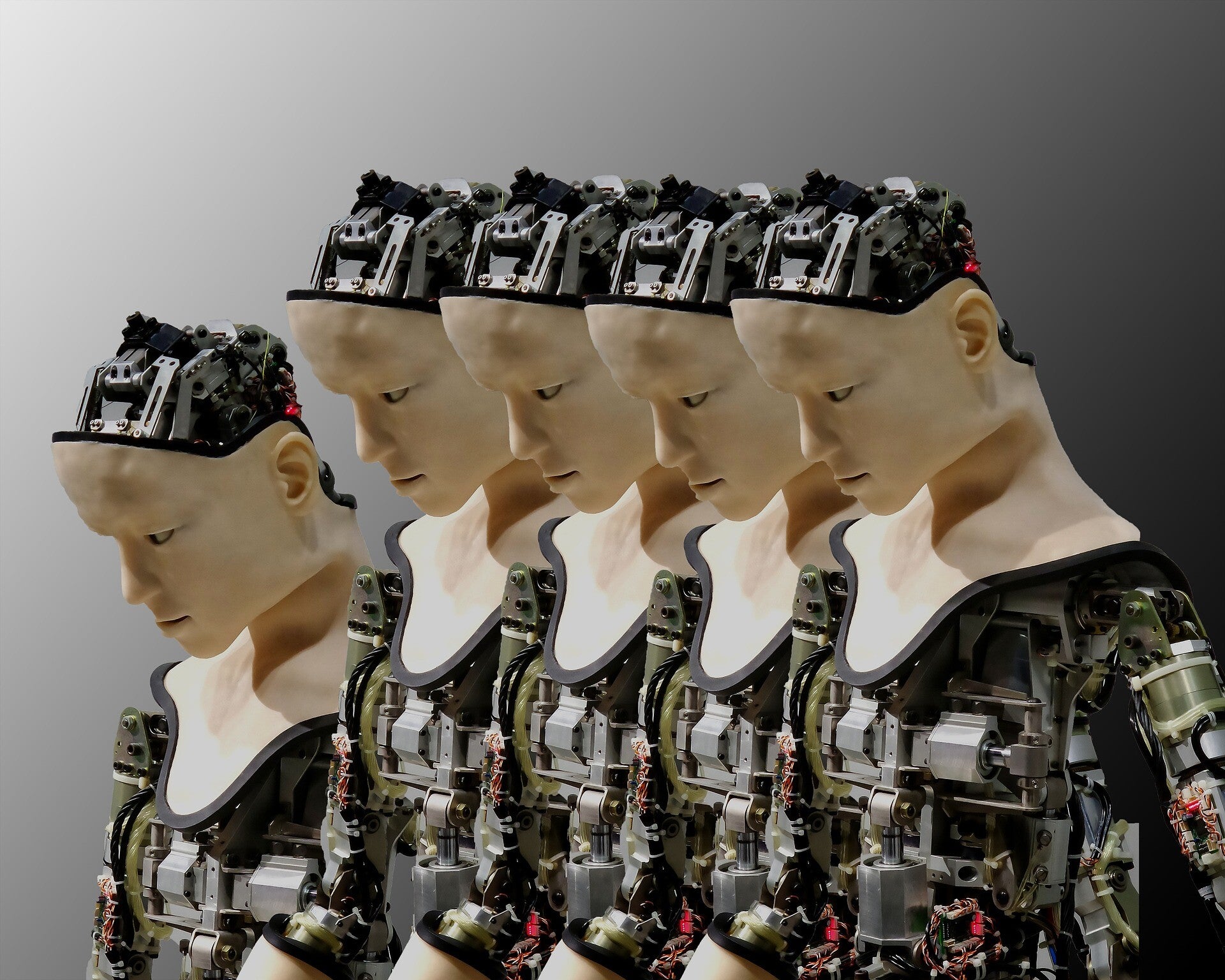
Document support : When Fiction Inspires Reality

As a child, Noah loved reading science-fiction novels. He was fascinated by stories about intelligent robots, space travel and futuristic cities. At the time, these adventures seemed impossible and belonged only to the imagination.

Years later, while studying engineering at university, Noah realised that many technologies described in old novels were becoming reality. Artificial intelligence was helping doctors diagnose diseases, autonomous vehicles were being tested on public roads, and robots were assisting people in hospitals.

This discovery made Noah think differently about fiction. He understood that writers do not simply invent imaginary worlds to entertain readers. They also encourage people to imagine solutions to real problems and inspire scientists, engineers and inventors.

However, Noah also noticed that fiction sometimes presents unrealistic visions of the future. Films often show artificial intelligence as either completely dangerous or perfectly beneficial. In reality, technological progress is usually more complex and raises ethical, social and environmental questions.

Today, Noah believes that fiction should not be seen as an escape from reality but as a way of exploring possibilities, encouraging creativity and helping society prepare for future challenges.

Adapted from a fictional magazine article.

Questions

A. Compréhension générale (6 points)

1. Choose the correct answer.

The text is mainly about:

a) the history of science-fiction films
b) the relationship between imagination and technological progress
c) life at university

2. Who is Noah?

Give two pieces of information about him.

3. What is the author’s main message?

Answer in English.

B – Compréhension détaillée (8 points)

4. Answer :

  • Noah’s favourite books as a child ?
  • Examples of technologies mentioned ?
  • What fiction can inspire ?
  • Limits of fiction ?

5. True or False? Justify each answer with a quotation.

a) Noah thought science-fiction was realistic when he was a child.
b) Some technologies imagined in novels now exist.
c) According to the text, fiction always presents a realistic vision of the future.

6. Explain the sentence : “Fiction should not be seen as an escape from reality.”

Answer in English or French.

C – Interpretation (6 points)

7. According to the author, how can fiction influence scientific progress?

Write 50 to 70 words.

8. Do you agree that fiction helps us understand reality? Justify your answer using the document.

Write 60 to 80 words.

Réponses

Cliquez sur chaque item pour afficher les réponse

A : General comprehension

1. Choose the correct answer.

Réponse :

b) the relationship between imagination and technological progress

Commentaire méthodologique

Le titre (When Fiction Inspires Reality) résume déjà la problématique. Vérifiez toujours que votre réponse correspond à l’ensemble du texte, et non à un seul paragraphe.

2. Who is Noah?

Réponse possible :

• Noah is an engineering student.
• He loved reading science-fiction books when he was younger.

Commentaire méthodologique

Repérez les informations biographiques importantes dans les deux premiers paragraphes.


3. What is the author’s main message?

Réponse possible :

The author explains that fiction can inspire innovation and help people imagine solutions for the future, even if it does not always represent reality accurately.

Commentaire méthodologique

Résumez le message principal sans reprendre les phrases du texte.

B. Detailed comprehension

4. Answer

  • Favourite books : Science-fiction novels
  • Technologies : Artificial intelligence, autonomous vehicles, robots
  • Inspiration : Scientists, engineers and inventors
  • Limits : Fiction may present unrealistic visions of the future

5. True or False? Justify each answer with a quotation.

Réponse :

a) False
Justification : “These adventures seemed impossible…”

b) True
Justification : “Many technologies described in old novels were becoming reality.”

c) False
Justification :“Fiction sometimes presents unrealistic visions of the future.”

Commentaire méthodologique

Pour les questions True/False, lisez attentivement les adverbes (always, sometimes, never), qui changent souvent le sens de la phrase.

Explain the sentence : “Fiction should not be seen as an escape from reality.”

Réponse possible :

The author means that fiction is not only entertainment. It also encourages people to imagine new ideas, reflect on society and prepare for future challenges.

Commentaire méthodologique

Expliquez l’idée générale exprimée par la phrase. Ne cherchez pas à traduire chaque mot : montrez que vous avez compris le message.

C. Interpretation

7. According to the author, how can fiction influence scientific progress?

Réponse possible :

According to the author, fiction encourages scientists and engineers to imagine technologies that do not yet exist. By presenting possible futures, novels and films stimulate creativity and motivate people to solve real-world problems through innovation.

Commentaire méthodologique

Pour une question d’interprétation, appuyez-vous sur plusieurs éléments du texte et reformulez-les avec vos propres mots.

8. Do you agree that fiction helps us understand reality? Justify your answer using the document

Réponse possible :

Yes, I agree that fiction helps us understand reality. In the text, science-fiction inspires engineers to develop new technologies. Fiction also raises ethical questions about artificial intelligence and the future. Even if imaginary stories are not always realistic, they encourage readers to think critically about today’s world and tomorrow’s challenges.

Commentaire méthodologique

Une bonne réponse combine une opinion personnelle et des arguments tirés du document. Pensez à structurer votre paragraphe avec des connecteurs (First, Moreover, Finally).